
Fast, Reliable Fixes for Failing Pool Equipment
A pool that will not heat, a pump that will not stop running, or a filter that is leaking water are more than annoyances, they usually mean something needs attention before it turns into a bigger, more expensive problem. Pool equipment works hard, especially through hot North Texas summers, and even well maintained systems eventually need repair.
At Spades Pools, we provide dependable swimming pool repair for homeowners throughout Garland and the surrounding DFW area. As a family, locally owned company, we take pride in honest diagnostics and straightforward repairs, not unnecessary upsells. Whether it is a failing pump, a cracked filter, or a heater that will not turn on, we get to the root of the problem and fix it right.
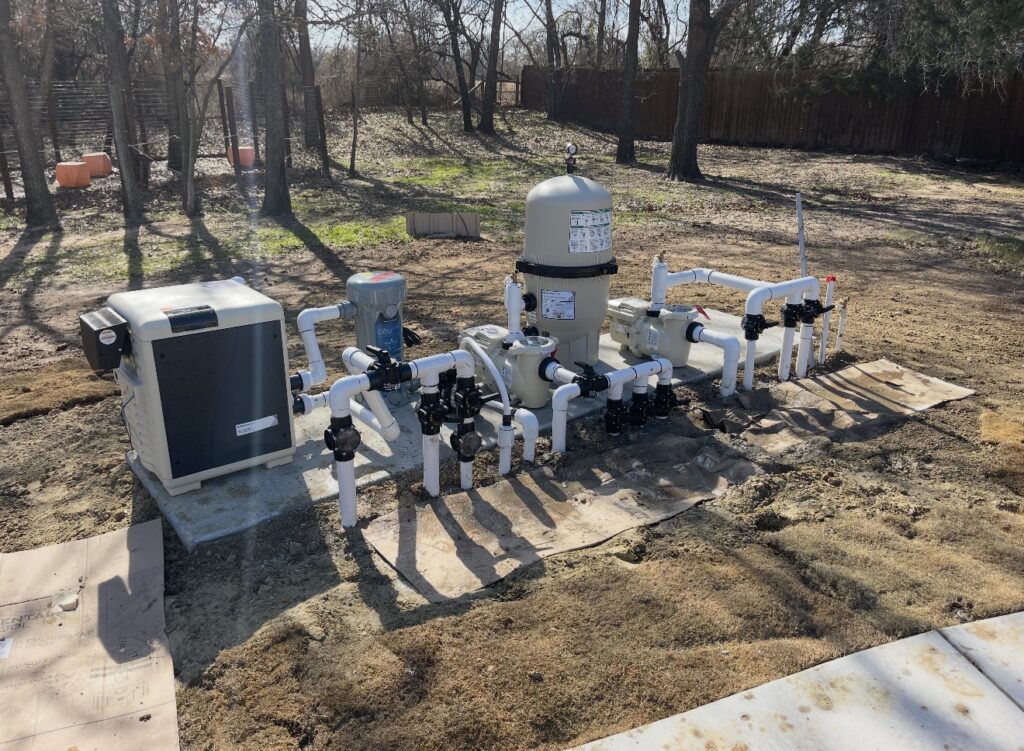
We believe pool repair should be simple, straightforward, and stress free. Here is what you can expect from start to finish.
We start by asking what you have noticed, when it started, and whether it happens consistently or only sometimes, which helps narrow down the likely cause before we even arrive.
Our technicians inspect the equipment in question, whether that is your pump, filter, heater, or another component, to identify exactly what is failing and why.
We explain what needs to be fixed, what it will cost, and walk you through your options before any work begins, including repair versus replacement when relevant.
We complete the repair using quality parts built to hold up, not the cheapest option available.
Before we consider the job done, we test the equipment under normal operating conditions and walk you through what was fixed and what to watch for going forward.
Addressing equipment issues quickly comes with real benefits beyond just getting your pool running again.
A minor pump issue left unaddressed often leads to a full pump failure. Catching problems early keeps repairs smaller and less expensive.
A malfunctioning filter or pump affects circulation, which can quickly lead to cloudy water or algae growth if left unresolved.
Timely repairs keep your existing equipment running longer, delaying the cost of a full replacement.
Leaking equipment and inefficient systems waste both water and electricity. A proper repair stops that waste immediately.
Whether it is summer heat or a planned gathering, a working pool means you are not stuck waiting on a fix at the worst possible time.
Pool problems show up in a few common places, and knowing the signs helps you describe the issue when you call.
Pumps that are loud, leaking, or not circulating water properly are one of the most common repair calls we get. Left unaddressed, a failing pump strains your entire filtration system.
A filter that is not cleaning water properly, or is visibly cracked or leaking, needs attention quickly since it directly affects water clarity and chemical balance.
Heaters that will not ignite, are not reaching the set temperature, or are cycling on and off unexpectedly usually point to an electrical, gas, or component issue that needs diagnosis.
Modern pools often rely on automated controls for chemicals, temperature, and equipment scheduling. When these systems malfunction, they can throw off your entire pool’s operation.
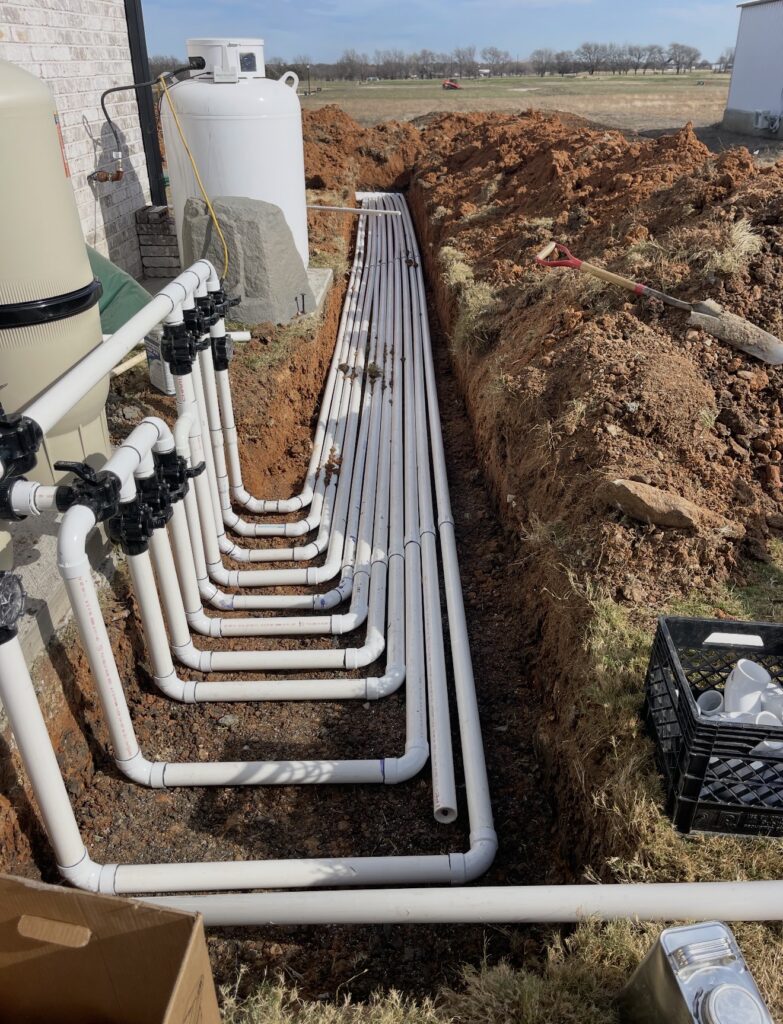
Still unsure whether it is time to call for a repair? Here are common signs.
Grinding, rattling, or buzzing from your pump or other equipment often signals a mechanical issue that will worsen if ignored.
If your heater is running but the water temperature is not rising, there is likely an issue with the heating element, gas supply, or thermostat.
If your water stays cloudy even with proper chemical levels, poor circulation from a failing pump or filter is often the cause.
Struggling equipment often works harder than it should, which shows up as an unexplained increase in your utility costs.
Water pooling near your pump, filter, or heater usually points to a seal, gasket, or connection that needs attention.
Not every equipment issue calls for a full replacement. Age is one of the biggest factors, most pumps and filters last 8 to 12 years, while heaters often last a similar range depending on usage and maintenance. If your equipment is within that window and the repair cost is reasonable relative to a new unit, repair is usually the smarter first move.
If a piece of equipment is already older, has needed multiple repairs recently, or the repair cost approaches what a new unit would cost, replacement often makes more financial sense long term. We will always give you an honest recommendation based on your specific equipment and its condition, not a default push toward the more expensive option.
Spades Pools provides pool equipment repair throughout Garland and the surrounding DFW communities, including:
Don’t see your city listed? Contact us, we likely still service your area.
In addition to pool repairs, Spades Pools offers a full range of pool services across the region.
Consistent skimming, vacuuming, and chemical balancing that keeps your pool swim ready all season.
We use non invasive tools to find hidden leaks before they cause damage to your pool, equipment, or yard.
We design and build custom pools and spas around how you actually want to use your backyard.
We update aging finishes and equipment to bring older pools back to life.
We work with most major residential brands and will confirm compatibility when you describe your equipment.
It depends on the age and condition of your current pump. We will give you a straightforward recommendation once we take a look.
Yes, this is one of the most common repair calls we handle, and we will diagnose whether it is an electrical, gas, or component issue.
Pool pump repair costs depend on the specific issue, whether it is a motor failure, a seal leak, or an electrical problem. Spades Pools diagnoses the issue first and provides a clear, upfront estimate before any repair work begins.
A pool pump usually needs replacement rather than repair if it is more than 8 to 12 years old or has already needed multiple repairs. If the pump is newer and the issue is isolated, like a worn seal or a single failed component, repair is typically the more cost-effective option.
A pool heater that runs but does not raise water temperature is often caused by a failing heating element, a gas supply issue, or a faulty thermostat. A technician needs to inspect the unit directly to confirm the exact cause.
If your pool equipment is acting up, Spades Pools makes the process simple. We will diagnose the issue, give you a clear estimate, and get your pool running the way it should.
Reach out today to schedule your free estimate.